

Getting started with canine enrichment doesn't have to be expensive. A lot of things can be done with items at home that you already have without buying enrichment toys!
Don't forget that enrichment should always be fun for your dog. Although it sounds easy, working with your dog's current skill level is crucial. You can make the challenges more difficult when your dog develops new skills and confidence.
Your dog can play, chase, smell, chew, and scavenge with enrichment toys. Dogs naturally exhibit these behaviours to remain physically, emotionally, and mentally content.
The dogs that don't get enough mental stimulation will find other ways to "enrich" themselves... like chewing on the couch, sorting your garbage bin on the kitchen floor, and playing barking games late at night while you're relaxing.
Enrichment toys and treats complement each other well since virtually every dog enjoys tasty treats!
These nine enrichment ideas offer different ways to make feeding and play more engaging. Time spent varies by dog and activity; there is no fixed mealtime target. Use food from your dog's measured daily allowance, supervise every activity and stop if your dog chews or swallows non-food material. Not every idea suits every dog.
1. Muffin tray and tennis balls
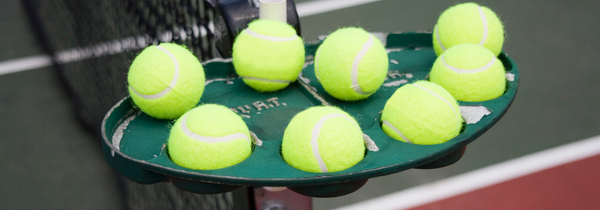
Start by spreading part of a measured meal across a food-safe muffin tray. If adding balls, use only suitably sized ones that your dog cannot swallow, and supervise closely. Skip this variation for dogs that chew or break balls.
Easy: Leave the food uncovered so your dog can reach it comfortably.
Challenge: Partly cover a few compartments with suitable balls only while your dog remains relaxed and can access the food.
2. Sandbox

Dogs dig naturally as part of their instincts. Occasionally, your dog might be digging because it is hot outside, and they want a cool place to lay down or simply because they dig out of boredom. But digging is bad for your lawn or garden. If you want to prevent your pup from digging, provide them with a sandbox. They can redirect their unwanted behaviours and channel their energy into a sandbox; this can become a good activity for dogs.
3. Rolled-up towels
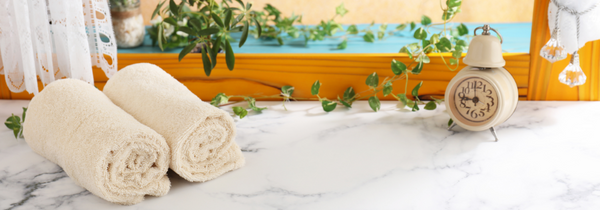
Roll some treats inside a towel or bathmat, and let your dog discover the treats by unrolling them.
Easy: Place some food on the floor and cover it with a towel. Compliment your dog for interacting and moving the towel.
Challenge: Place the towel in a box or plastic container so it won't unravel easily. Have the pup interact with the towel to get treats. Use this only under supervision and stop if your dog bites or swallows fabric.
4. Recycling pit
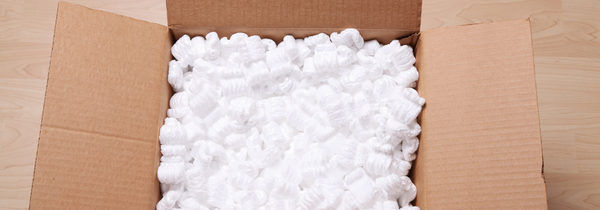
For a dog that does not eat cardboard or fabric, place clean boxes and towels in a large tub and scatter part of the measured meal through them. Remove staples, tape, string and sharp edges. Avoid plastic bottles or loose caps that can be chewed into fragments.
Easy: Reduce the number of items to scavenge through.
Challenge: Add an easy-to-open cardboard box inside the larger setup. Stop if your dog becomes frustrated or tries to swallow the packaging.
5. Lick mat
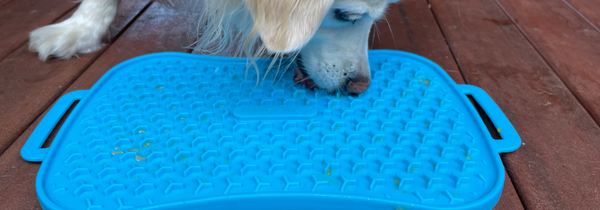
Spread a suitable dog-safe food across a lick mat to create a feeding activity. If using peanut butter, check that it contains no xylitol. Super Feedy's reversible lick mat has two textured surfaces; check its care guidance before freezing. Supervise use and remove it if your dog chews the mat.
A comfortable dog may enjoy a lick mat during grooming, but it is not a treatment for anxiety. Stop if the dog becomes distressed, and seek qualified help for persistent fear or separation-related behaviour.
6. Scatter game
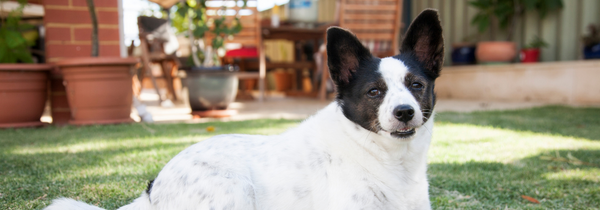
Are you aware that dogs can benefit from sniffing physically and mentally? It helps their overall well-being and reduces the likelihood of them engaging in unwanted behaviours due to boredom or frustration.
Foraging is a dog's natural instinct. Scatter part of the measured meal in a clean, safe area and let your dog find it with their nose. Avoid treated lawns, sharp objects, toxic plants and other hazards. Feed pets separately to reduce competition.
7. Transform their mealtimes

Try using part of a measured meal in an appropriate feeding activity while keeping your dog's usual feeding schedule. Check with your veterinarian before changing meal frequency for a puppy or dog with a medical condition.
You can turn mealtime into a game using suitable food toys or puzzle feeders; there is a wide variety to choose from.
8. Knotted Old Clothes Dog Toy

Fabric toys are unsuitable for dogs that shred or swallow cloth. If your dog safely enjoys supervised tug, a clean fabric toy without buttons, zips or loose pieces may offer a simple activity. Do not add small squeakers or other parts that can be swallowed.
Practise “Leave It” and “Drop It”, inspect for damage and put the toy away after play. Avoid this idea if your dog steals clothing to chew; choose a suitable purpose-made toy instead.
9. Use a Slow Feeder Bowl
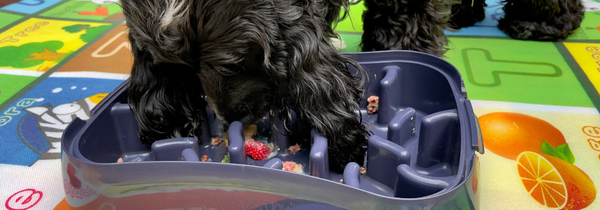
Does your dog turn into a canine version of “The Flash” at feeding time? Marley and Belle used to gulp their meals, which inspired us to look for a more engaging feeding setup. A suitable pattern can interrupt fast food access, but repeated vomiting or discomfort needs veterinary assessment.
Ordinary swallowed gas is not the same as gastric dilatation-volvulus (GDV). GDV is a life-threatening emergency, and no bowl guarantees prevention. If your dog has a swollen abdomen, repeated unproductive retching, distress or weakness, seek urgent veterinary care. Read our guide to bloat in dogs for emergency signs.
A slow-feed dog bowl can add a mealtime challenge for a suitable fast eater. Check comfortable access, introduce it gradually and supervise use. Eating pace varies; it is not a treatment for digestive illness.
Conclusion
Enrichment offers opportunities for both mental and physical activity. Match activities to your dog's health, abilities and preferences, and stop if they cause distress or unsafe chewing.
A dog needs physical exercise and socialization to stay fit and healthy. The activities listed in this article might help your dog's daily routine during a short-term period, such as when you are ill or in terrible weather.
However, they are not designed to replace your dog's long-term walks. Since dogs are pack animals, they are social creatures that thrive on social interactions.
There should be a balance between physical activities and mental stimulation. Dogs need to move daily, and exercise such as fetch and running can increase their adrenaline levels. Taking part in mental enrichment activities can help balance out physical exercise.
Changing The Way Dogs Eat for Good!
As responsible pet parents, we know that you want to do everything to help. Living with a sick dog after a meal is no fun. Our two doggos, Marley and Belle, both like to eat fast! So we know exactly what it's like to live with a dog in pain and discomfort after eating.
The Super Feedy 4-in-1 Slow Feeder Dog Bowl combines a slow feeder, reversible lick mat, food-prep lid and travel bowl. Choose a comfortable size and pattern for your dog and follow the breed-fit guidance.
Make Every Mealtime a Super Feedy Moment
Explore the Super Feedy 4-in-1 Slow Feeder System and check which size and fit suits your dog.
Each Super Feedy system includes:
🥣 A slow feeder bowl designed to slow food access, with results that vary by dog and meal
🍯 A reversible lick mat for feeding enrichment
🧊 A prep & storage bowl for convenient meal planning
🚗 A travel-friendly design for adventures anywhere
Non-slip and dishwasher safe, following the product's care instructions.
Choose the right size and fit for your dog.
Shop the Super Feedy 4-in-1 Feeding System →


